
Introduction:
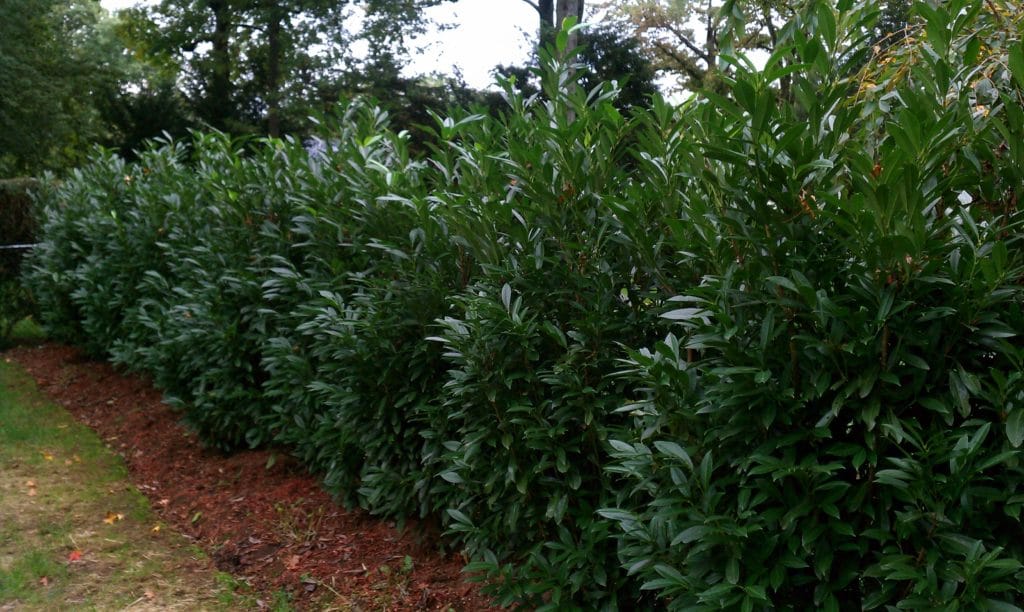
Watering your privacy trees the right way is crucial for keeping them healthy and green. These trees play a vital role in creating a private sanctuary in your yard. They offer a peaceful, natural boundary that boosts the beauty of your outdoor space. To achieve this, understanding their watering needs is essential.
Every tree species has its own thirst level, with young saplings needing different care compared to mature giants. Factors like climate, soil type, and the specific environment where your trees grow influence how much water they require. By tailoring your watering schedule to fit these needs, you encourage vibrant growth and strong roots.
Crafting a watering routine that suits your privacy trees involves choosing the right techniques and making thoughtful adjustments throughout the year. Regular monitoring helps ensure you’re not giving too much or too little water. With the right care, your privacy trees will continue to thrive, providing shade and seclusion for years to come.
Understanding the Water Needs of Privacy Trees
Privacy trees come in various species, each with its unique water requirements. Some trees thrive with more water, while others are happy with less. For instance, a tree like the Leyland Cypress might need frequent watering, especially during dry spells, whereas a more drought-tolerant species such as the Eastern Red Cedar can manage with less frequent watering. Knowing what species you have helps in tailoring the right watering schedule.
Tree age and size also influence how much water your tree consumes. Young trees, particularly those newly planted, have smaller root systems. They need regular watering to help establish strong roots. As trees mature, their roots expand and they store more water, reducing the frequency of their watering needs. But it’s important not to let mature trees fend for themselves, as they still need a steady water supply during dry periods.
Environmental factors play a big role in how you water your privacy trees. Weather conditions, soil type, and even your landscape can change the game. Sandy soil drains water quickly, which means you need more frequent watering sessions to keep trees hydrated. Conversely, clay soil holds water longer but can lead to root rot if watered too frequently. Adjusting your watering technique to align with these conditions supports optimal tree health and growth.
Establishing an Effective Watering Routine
Creating a consistent watering schedule ensures that your privacy trees get the moisture they need without drowning them. Start by observing the weather and soil conditions to establish priorities. Water deeply but infrequently to encourage robust root growth. Young trees generally need water more often, while mature trees enjoy less frequent sums with deeper soaking sessions.
Timing is key when watering trees. Aim to water early in the morning or late in the evening. These times help minimize evaporation, ensuring that the water reaches the roots where it’s needed most. Avoid watering during the hottest part of the day, as this leads to quick evaporation and could cause unnecessary stress on your trees.
Seasonal changes require shifts in your watering practices. During spring and summer, as trees actively grow, they might require more water. But come fall and winter, the water demand decreases. This seasonal adjustment helps balance the needs of your trees with nature’s natural cycles. Things like rainfall and temperature changes should cue you in on when to adjust your schedule for the best results.
Choosing the Right Watering Techniques
Selecting the right watering method is crucial for maintaining the health of your privacy trees. Various techniques offer different benefits that suit specific landscape conditions. Drip irrigation is a popular choice as it delivers water directly to the roots, conserving water and minimizing evaporation. It’s ideal for trees that need precise watering without wasting water on surrounding areas.
Soaker hoses are another effective method, providing an even flow of water along the length of the hose. They’re easy to install and adjust, making them suitable for gardens with multiple trees. However, they may require adjustments to ensure even water distribution across the tree’s root zone.
Deep watering, which involves watering slowly and deeply, encourages strong root development. It’s simple and ensures the water reaches deep into the soil. This method is perfect for sandy soils that drain quickly or for large, mature trees. However, it might not be practical for areas with compacted soil where water infiltration is difficult.
Choosing the right technique involves assessing your garden layout, soil type, and specific tree needs, ensuring that your privacy trees receive the optimal amount of hydration they require to thrive.
Monitoring and Adjusting Watering Practices
Keeping an eye on your trees’ hydration levels is key to avoiding issues like over-watering or under-watering. Signs of under-watering include wilting or browning leaves, while over-watering might reveal itself through yellowing leaves or root rot. Regularly checking these indicators helps you make necessary adjustments before significant damage occurs.
Mulch acts as a powerful ally in water retention. By covering the soil around your trees with a layer of organic mulch, you reduce evaporation, moderate soil temperature, and prevent weeds that compete for water. Aim for a mulch layer about 2-3 inches thick, avoiding direct contact with the tree trunk to prevent rot.
Regular evaluations ensure long-term health for your privacy trees. Conduct periodic soil moisture checks, especially during hot or dry spells. Adjust your watering schedule based on weather conditions and tree health observations. This proactive approach keeps your trees green and robust, fulfilling their role as effective privacy barriers.
Conclusion
Optimizing your watering schedule for privacy trees involves understanding their unique needs, establishing a regular routine, and selecting the right techniques tailored to your specific environment. By maintaining diligent monitoring and making adjustments as required, you ensure that your trees stay healthy and vibrant all year round. This not only extends the life of your trees but also enhances the beauty and privacy of your outdoor space.
If you’re looking to transform your outdoor area into a privacy haven with lush, healthy, and tall privacy trees East End Trees is here to help! Our team of experts is ready to assist you with planting, design, and all your tree care needs. Visit our site to learn more about how we can help you achieve the perfect balance for your privacy trees.