
Introduction
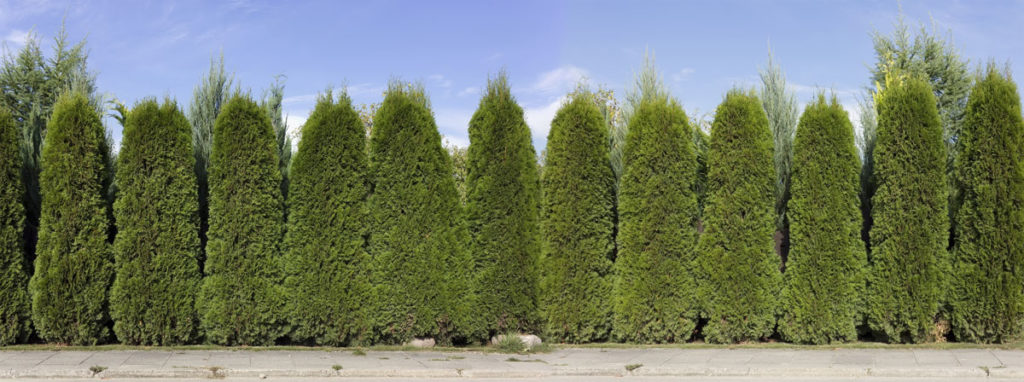
Planting privacy hedges is a fantastic way for homeowners in Long Island to create a peaceful oasis while adding a touch of nature to their property. These hedges not only provide a natural barrier that increases privacy, but they also contribute to the aesthetic appeal of your garden. Whether you enjoy spending time outdoors with your family or simply appreciate the tranquility of a serene backyard, privacy hedges can transform your space remarkably.
When planting privacy hedges, getting the depth right is a big deal. The depth at which you plant these hedges can make all the difference in how well they grow and thrive. Too deep, and roots can suffocate; too shallow, and the hedges may not establish properly. Understanding the right planting depth can ensure that your hedges grow strong and last for years, providing a lush, green barrier to the outside world.
Understanding the Right Depth
Planting depth refers to how deep the roots of your hedge plants go into the soil. It’s a key factor in gardening that affects the growth and development of the plants. When the planting depth is just right, it gives the hedges a solid foundation to grow. It ensures that roots have enough room and access to the nutrients and water they need to thrive.
Planting the hedges too deep can cause the roots to lack oxygen, making them struggle to absorb nutrients and water effectively. On the other hand, planting them too shallowly could leave roots exposed, making the plants less stable and efficient in nutrient uptake.
To find the right balance, consider these tips:
– Observe the current root level, especially from the pot or nursery it came from.
– Aim to plant at the level where the stem meets the roots, just where soil was in the pot.
– Ensure you have enough soil to protect but not suffocate the roots.
Proper planting depth sets the stage for healthy growth. By taking the time to get this right, you’ll help your privacy hedges live long and prosper, offering beauty and privacy for many seasons to come.
Steps to Determine the Perfect Depth
Starting with the root ball is your best bet for getting the planting depth right. The root ball gives a good indicator of the ideal depth for planting your hedge. Take a tape measure to get the height of the root ball. That’s the cue for how deep the planting hole should be. Digging any deeper can put unnecessary stress on the plant’s base or stem.
Once you’ve got the depth figured out, it’s time to prepare the soil. A few tips can ensure you have a well-readied spot for your new hedge:
– Break up any large clumps of soil to create a smooth bed.
– Mix in a little compost to enrich the soil, ensuring a good start for the roots.
– Check for proper drainage by filling the hole with water to see how quickly it seeps away.
These initial steps set the stage for your hedge’s smooth transition into its new home. When you take time prepping, you’ll see that healthy growth isn’t just about what you plant, but how you plant it.
Planting Techniques for Long Island
Long Island presents unique soil and climatic conditions that influence how you should plant your privacy hedges. For starters, the sandy soil prevalent in many areas means you might need to adjust your planting depth slightly to ensure stability. Here’s how you can tailor your approach:
– Consider adding organic matter if your soil is too sandy; this improves water retention.
– If the soil is predominantly clay, ensure that your hole is wide enough to allow for proper drainage.
– In areas prone to dampness, elevating the planting area a bit can help.
Long Island can sometimes surprise you with its varying conditions, but these adjustments will steer you right. By being aware of your local environment, you can adapt your planting style to meet the specific needs your hedges will have to face.
Post-Planting Care
After getting your hedges snugly into the ground, post-planting care is what keeps them thriving. This involves simple but effective steps that ensure your plants adjust smoothly:
- Water thoroughly right after planting to settle the soil around the roots.
- Apply a layer of mulch to retain soil moisture and regulate temperature.
- Check the hedges regularly for any signs of stress such as wilting or discoloration.
Ensuring that the planting depth remains consistent is as simple as watching for any signs of the soil shifting. With these straightforward steps, your hedges will not just survive—they’ll thrive, providing you with that beautiful, private retreat you imagined from the start.
For those ready to enhance their backyard oasis with privacy hedges, East End Trees has you covered. Discover the best approaches to planting privacy hedges that flourish in Long Island’s unique conditions. There, you can find expert advice tailored to ensure your hedges thrive, blending comfort with seclusion in your outdoor space.